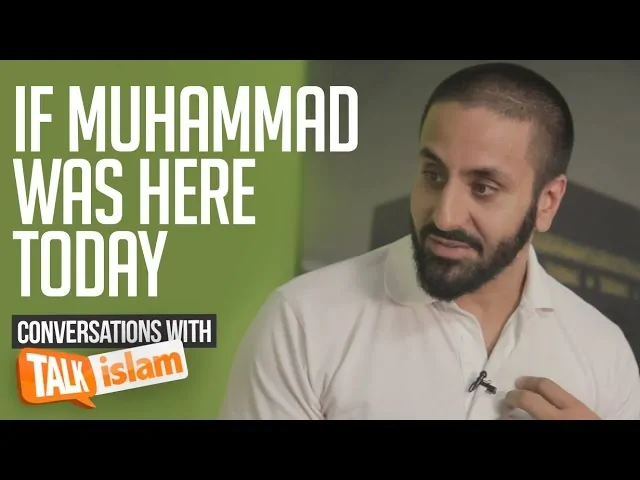
If Prophet Muhammad (peace be upon him) were alive today, how would he give dawah? This profound question reveals a methodology that every Muslim must understand and implement: building trust before making the call, being the embodiment of the message rather than just preaching it, and showing compassion to neighbors — Muslim and non-Muslim alike — as a gateway to sharing the greatest gift humanity has ever received.
Trust Before the Call
When the Prophet (peace be upon him) stood on Mount Safa and asked the Quraysh if they would believe him if he warned of an army behind the mountain, they all said yes — because he had spent 40 years building trust with them as Al-Amin, the trustworthy. Today, Muslims must build the same trust in their communities before expecting anyone to listen to their message. This does not mean waiting decades to give dawah, but it means living the message simultaneously while sharing it.
“If the Prophet was alive today, his dawah would have been a dawah of building trust before making the call. He had 40 years to develop that trust. But don’t fall for the trap of saying you have to be perfect before giving any dawah — it’s a unique balance.”
The Neglected Rights of Neighbors
- The Prophet nearly legislated inheritance for neighbors — Angel Jibreel emphasized the rights of neighbors so strongly that the Prophet thought it would become obligatory to include them in inheritance
- Check on their wellbeing — If you notice changes in a neighbor’s behavior or condition, Islam obligates you to inquire about their psychological, emotional, and physical state
- This applies to all neighbors — Muslim and non-Muslim; the hadith about loving for your brother what you love for yourself refers to all human beings according to major scholars
- Being a good neighbor opens the door to dawah — People are far more receptive to a message from someone who has genuinely cared for them
“The Prophet said: be compassionate. When there is compassion in something, it elevates it. When it is removed from something, it degrades it and makes it ugly. We have a compassionate tradition — we just need to live it.”
Be the Call, Not Just a Caller
The most powerful form of dawah is not what you say but who you are. The Prophet Muhammad (peace be upon him) was the walking Quran — everything he did was a reflection of God’s revelation in action. Muslims today must raise the moral bar in their communities by being honest, caring, compassionate, and trustworthy. When the message is lived before it is spoken, hearts open naturally, and the dawah becomes irresistible — just as it was in the time of the Prophet himself.