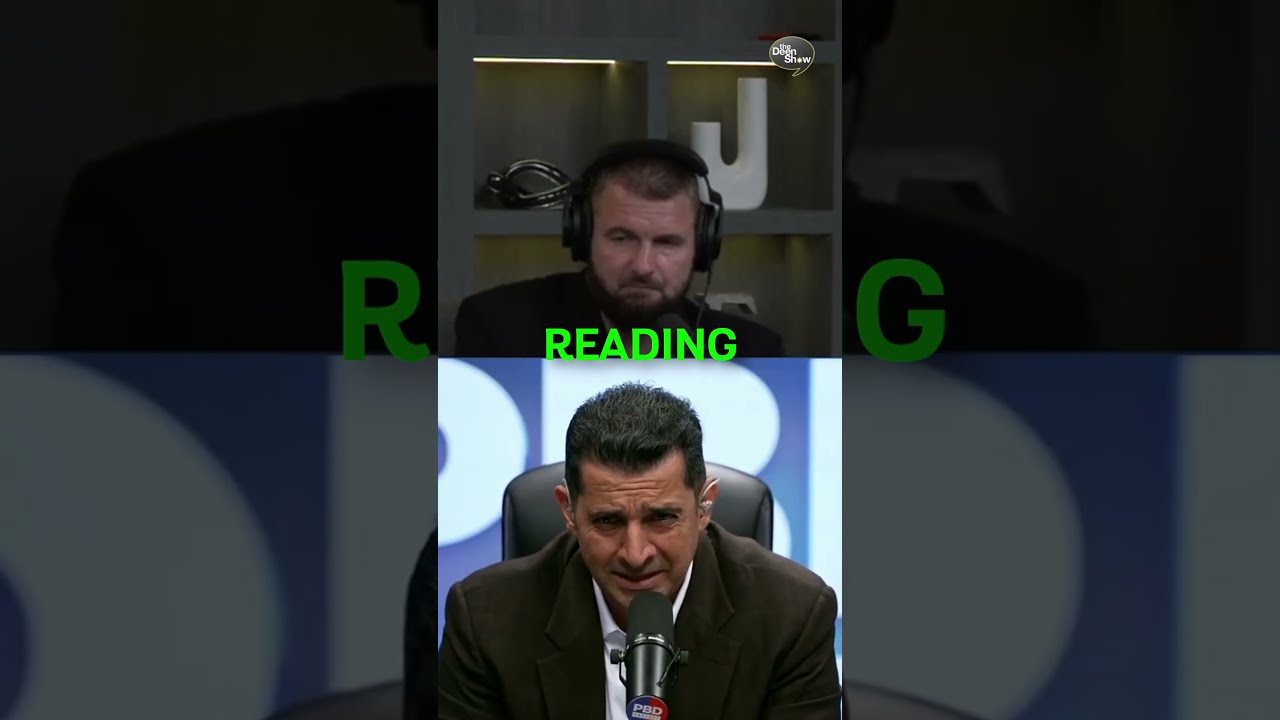
Few events in the life of the Prophet Muhammad ﷺ have been subjected to more deliberate misrepresentation than his marriage to Zaynab bint Jahsh — yet few reveal so clearly the transformative, justice-centred nature of Islamic guidance. In this episode of The Deen Show, Dr. Bashar Shala unpacks the full historical and spiritual context behind this marriage, tracing the remarkable story of Zayd ibn Haritha, the prophetic household’s relationship with Zaynab, and the divine command that permanently abolished one of pre-Islamic Arabia’s most deeply entrenched social customs. Far from being a matter of personal desire, this marriage was a calculated act of divine legislation — one that reshaped the social fabric of the Muslim community and stands as enduring proof of Islam’s commitment to human dignity and truth.
Zayd ibn Haritha: From Slave to Beloved Companion
To understand the marriage, one must first understand the man at the heart of the story — Zayd ibn Haritha (may Allah be pleased with him). Zayd was a young man captured and sold into slavery before Islam; he was purchased by Khadijah (may Allah be pleased with her) and gifted to the Prophet ﷺ, who immediately freed him and, in accordance with the noble Arab tradition of elevating the status of those without family support, adopted him. Zayd was known as “Zayd son of Muhammad” before the Quranic revelation clarified the Islamic position on adoption — a custom that confused lineage, inheritance rights, and social bonds in ways Islam would later rectify. When the Prophet ﷺ wished to further honour Zayd by arranging his marriage to Zaynab bint Jahsh — the Prophet’s own cousin and daughter of his aunt Umaymah bint Abd al-Muttalib — Zaynab initially hesitated. The class tension was real: Zaynab came from one of Quraysh’s most distinguished families, and Zayd, despite being freed and beloved by the Prophet ﷺ, carried the social stigma of his former status. This hesitation itself was part of the very problem Islam was sent to address. Key dimensions Dr. Shala highlights include:
- Adoption vs. Fostering in Islam: Pre-Islamic Arabs treated adopted sons exactly like biological sons — including full inheritance rights and the prohibition on marrying their ex-wives. Islam distinguished between fostering (encouraged) and legal adoption that erases true lineage (prohibited).
- Zayd’s nobility in faith: Despite the social stigma, Zayd was among the earliest and most devoted Muslims — his faith and closeness to the Prophet ﷺ transcended every worldly hierarchy.
- The marriage did proceed: After divine guidance through Quran 33:36, Zaynab accepted the marriage; however, the union was troubled by incompatibility, and Zayd eventually sought to divorce her — a decision the Prophet ﷺ initially discouraged.
- A test of submission: The entire episode was a living demonstration of what it means for believers to surrender their preferences to the will of Allah and His Messenger.
“It is not for a believing man or a believing woman, when Allah and His Messenger have decided a matter, that they should have any option in their decision.” — Quran 33:36
Divine Legislation Through a Personal Test
When Zayd finalised his divorce from Zaynab, a new dimension of this story unfolded — one that touched the Prophet ﷺ himself in the most personal of ways. The revelation in Surah Al-Ahzab (33:37) addressed the Prophet ﷺ directly, noting that he had concealed within himself what Allah intended to make public: the command to marry Zaynab after her divorce. The Prophet ﷺ, out of deep concern for how people might perceive such a marriage — a man marrying his adopted son’s divorcee — had hesitated to speak of it. But Allah, subhanahu wa ta’ala, reminded him that it is Allah who is most deserving of being feared, not the opinions of society. This Quranic rebuke is itself extraordinary evidence of the authenticity of the Quran and the prophethood of Muhammad ﷺ — no forger of religion invents scripture that openly corrects the very person it is meant to elevate. The purpose was singular and legislatively monumental: to permanently establish in Islamic law that an adopted son is not a biological son, and that the restrictions applied to biological lineage do not extend to adoption. Zaynab herself, in her old age, would point to this marriage as her greatest distinction — not because of personal status, but because Allah arranged it from above the seven heavens, as she would say, while every other wife of the Prophet ﷺ was married through a human guardian’s arrangement.
“And you conceal within yourself what Allah is to reveal, and you fear the people, while Allah is more deserving of being feared.” — Quran 33:37
This episode, taught with scholarly care by Dr. Bashar Shala, is a powerful reminder that Islamic history rewards those who engage it honestly and deeply. The story of Zaynab bint Jahsh and Zayd ibn Haritha is not a footnote of embarrassment — it is a cornerstone of Islamic social reform, a Quranic lesson in submission, and a proof of the divine origin of the Prophet’s ﷺ guidance. Islam came to dismantle false hierarchies, honour the dignity of every human being regardless of origin, and anchor all social norms in the fear of Allah rather than the fear of public opinion. For the sincere seeker of truth, this marriage is not a stumbling block but a milestone — evidence that the Prophet ﷺ was not acting from personal whim but from a faith so complete that he submitted even when submission was hardest. May Allah grant us the same depth of trust in His wisdom, and may the study of the Prophet’s ﷺ life continue to be a source of clarity, strength, and spiritual growth for every believer.