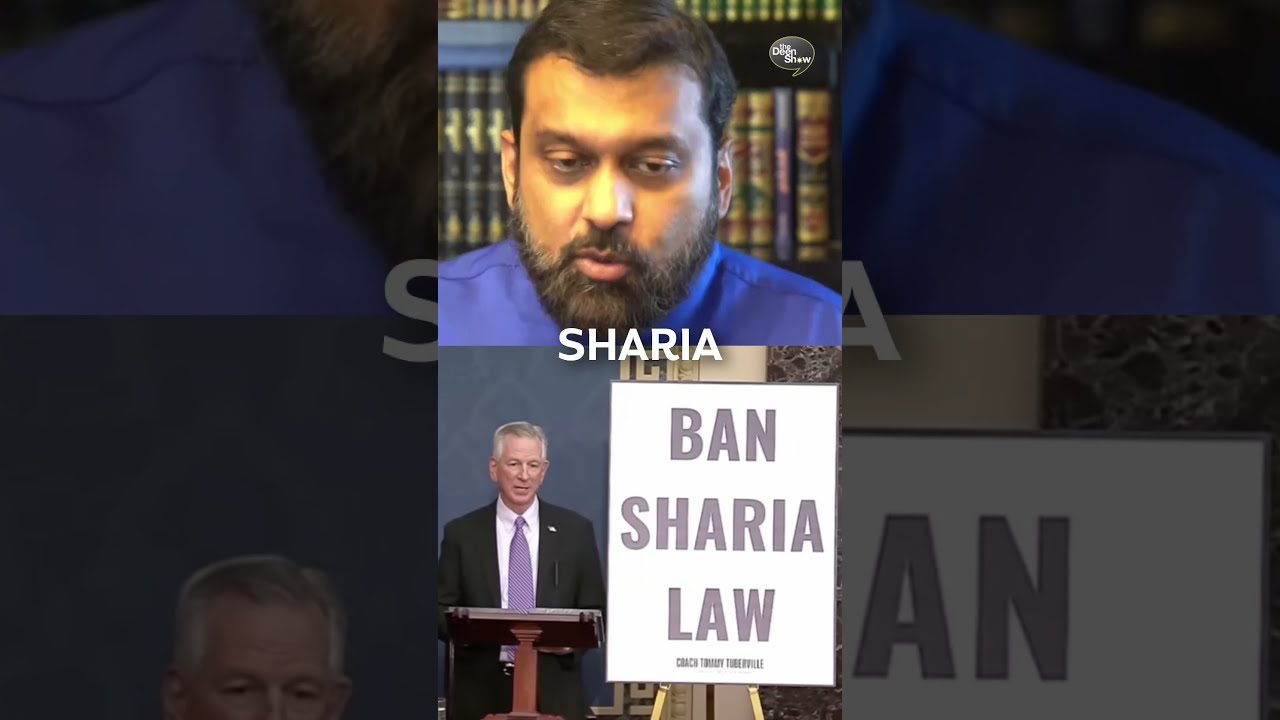

Few verses in the Quran are more frequently taken out of context than the phrase “kill them where you find them,” which critics of Islam cite as evidence that the religion promotes violence. In this detailed explanation, the speaker walks through the precise historical context of this verse, demonstrating that it was a specific divine decree related to the conquest of Makkah, not a blanket command for Muslims to attack non-Muslims. Understanding the context transforms this verse from an apparent call to violence into a profound lesson about mercy, justice, and divine tradition.
The Historical Context: Makkah and the Early Muslims
The Prophet Muhammad (peace be upon him) spent thirteen years in Makkah peacefully inviting people to Islam. During that time, his followers were tortured, killed, and driven from their homes. They were forced to secretly flee to the city of Madinah, leaving behind their businesses, properties, and in some cases their own families. From a political science perspective, the early Muslims had every right under international norms to fight back against the city that had expelled them and oppressed them for their beliefs alone.
From a political science perspective, the Muslims had every right to fight. They were the ones aggressed against for no crime except believing. If the United Nations existed back then, they would have been okay with it.
What the Verse Actually Commands
- When the Muslims eventually conquered Makkah with 100,000 people, the Prophet gathered his chief enemies and offered them mercy, echoing what Prophet Joseph said to his brothers: “No blame upon you today”
- Allah then revealed that the former combatants should be given four months to consider Islam, during which time they were free and protected
- If after four months they chose not to accept Islam, they were told to leave peacefully; only those who returned as active combatants would face consequences
- A separate verse explicitly commands: if any of the non-believers comes seeking knowledge, “leave him be and keep him safe” until he hears God’s word, then escort him to a place of safety
Without context, you can make any text say anything. If I’m playing with my child and I say “I’m going to get you!” does that make me dangerous? Context is everything, and the Quran’s verses on fighting have a very specific historical context that critics deliberately ignore.
The reality is that punishments of this nature in Islamic theology are tied exclusively to the rejection of a living messenger, a divine pattern seen throughout the stories of Noah, Lot, and other prophets. They are not open-ended policies for all time. The Prophet Muhammad (peace be upon him) demonstrated unparalleled mercy even at the moment of his greatest military victory, forgiving the very people who had spent decades trying to kill him. This is the true spirit of Islam that no amount of selective quotation can erase.